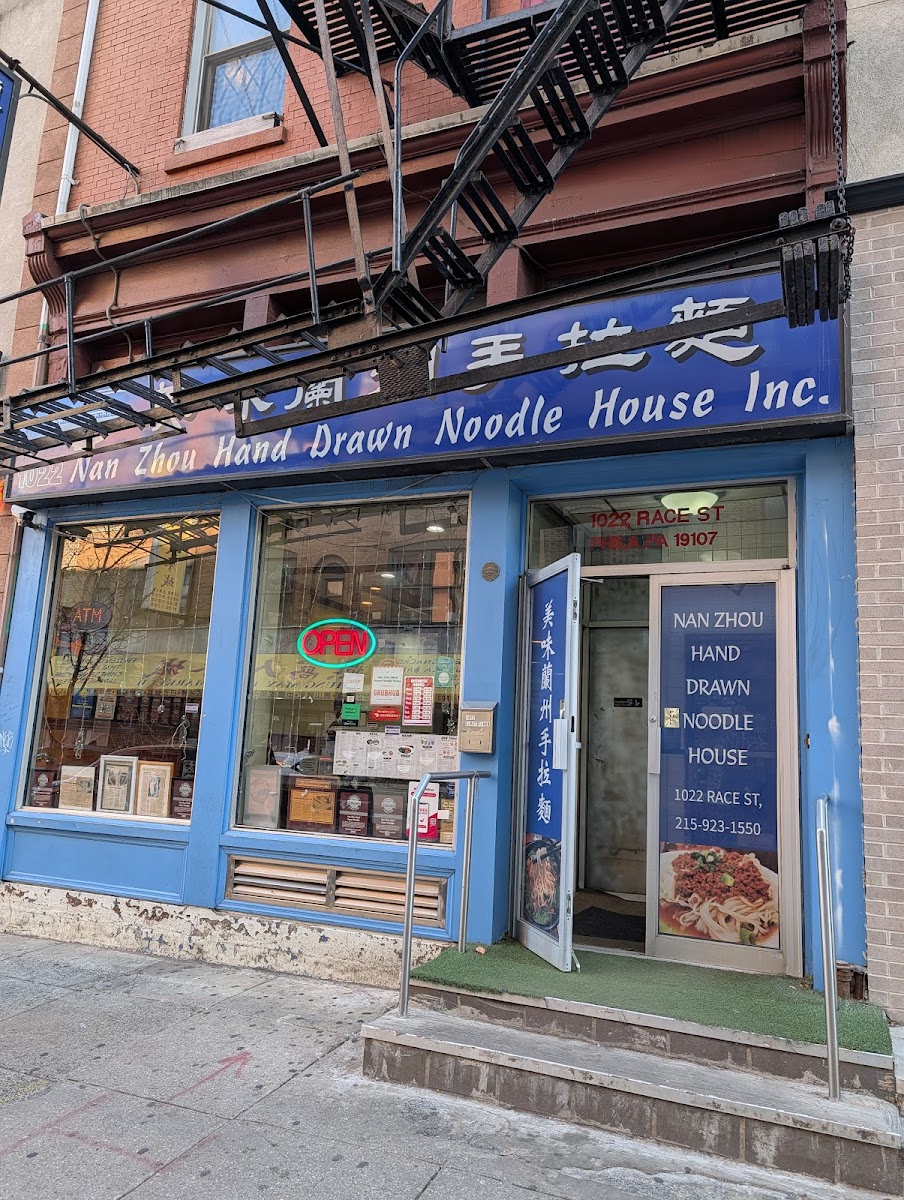
Discover Nan Zhou Hand Drawn Noodle House
Walking into Nan Zhou Hand Drawn Noodle House at 1022 Race St, Philadelphia, PA 19107, United States feels like stepping into a working kitchen rather than a polished dining room, and that’s part of the charm. The first time I ate here, I watched a cook stretch dough into long ribbons with practiced flicks of the wrist, a method rooted in northern Chinese noodle traditions that dates back centuries. That hands-on process isn’t for show; it directly affects texture, giving the noodles a springy bite you just don’t get from machine-made pasta.
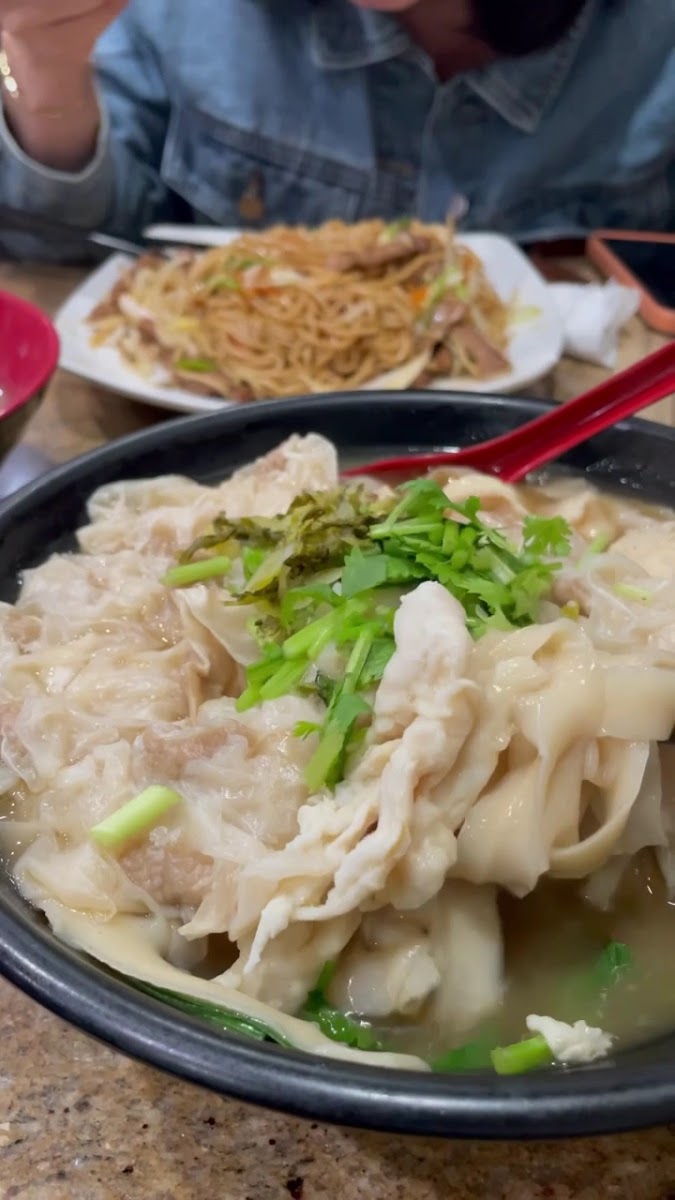
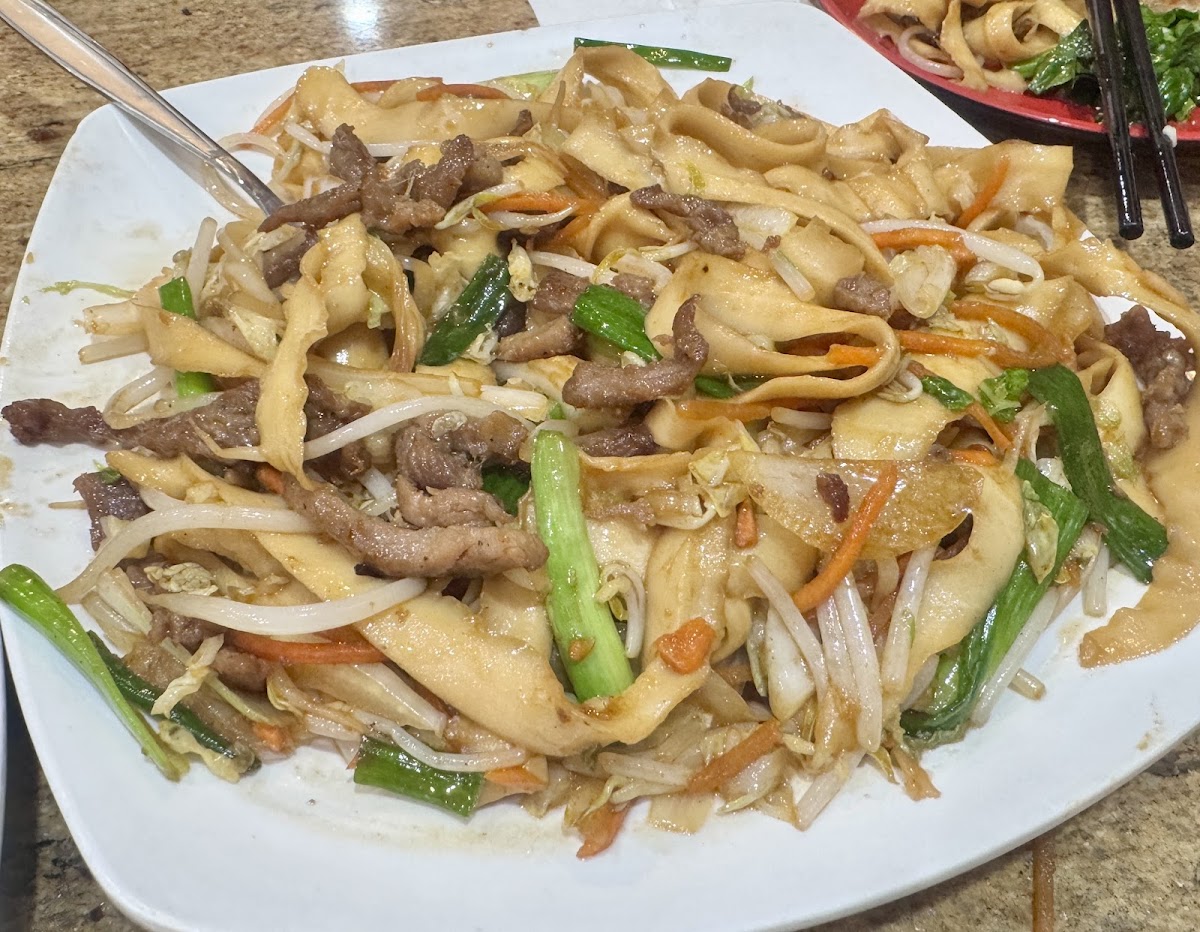
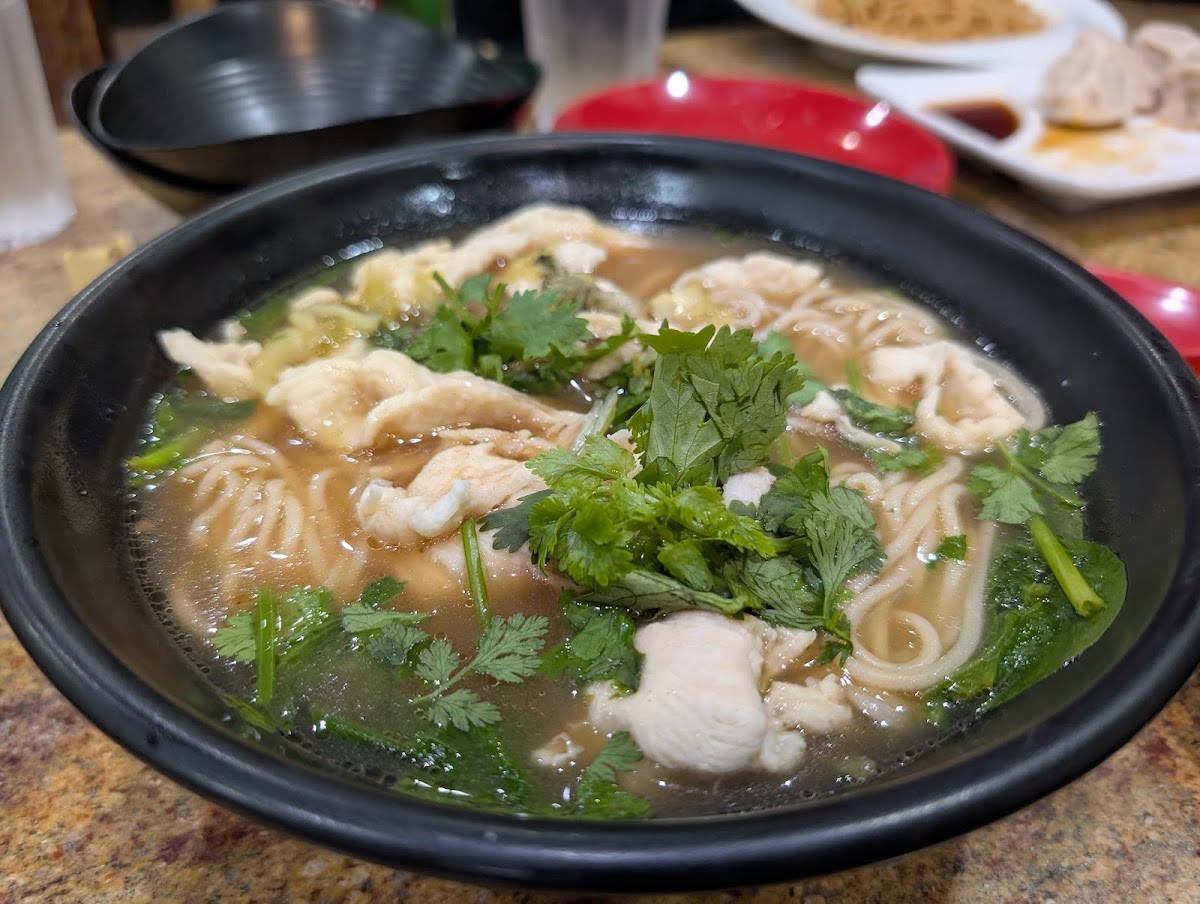
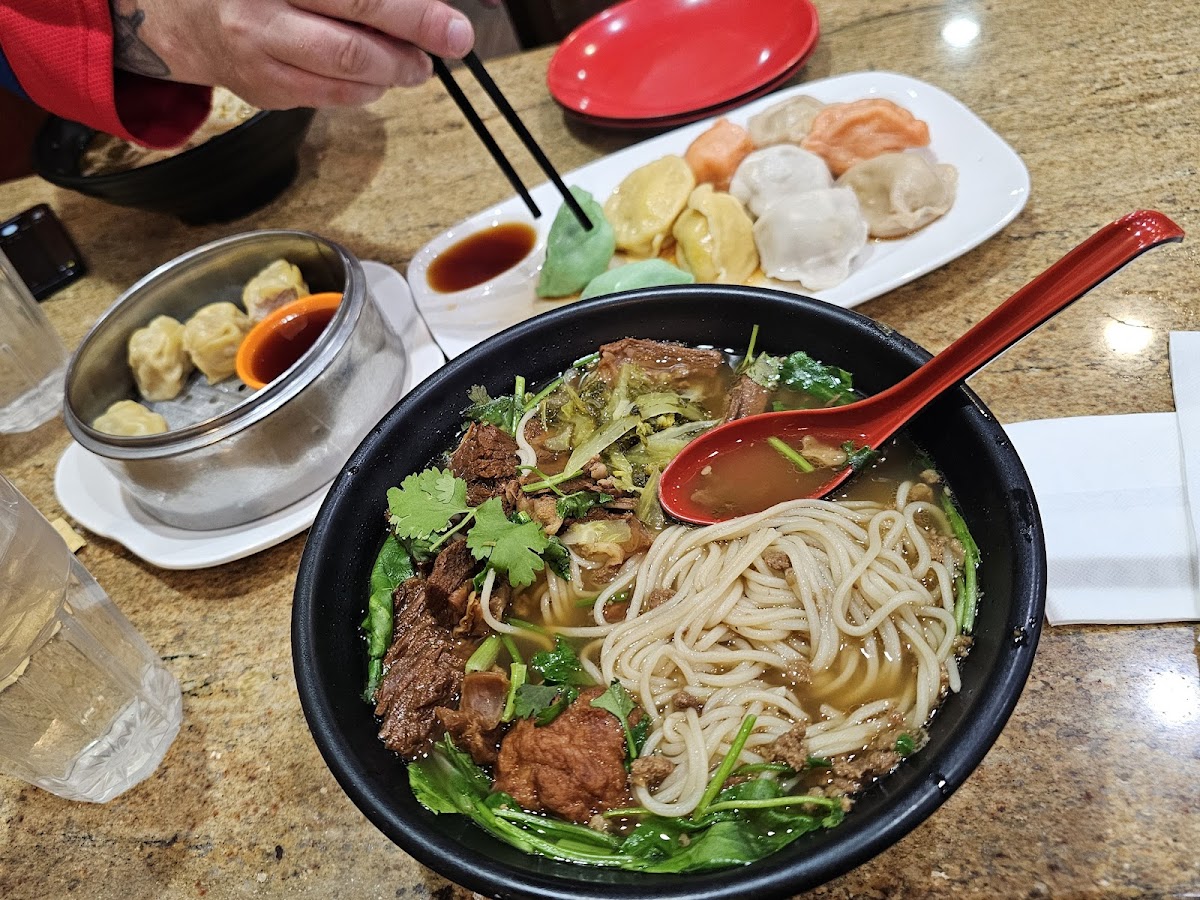
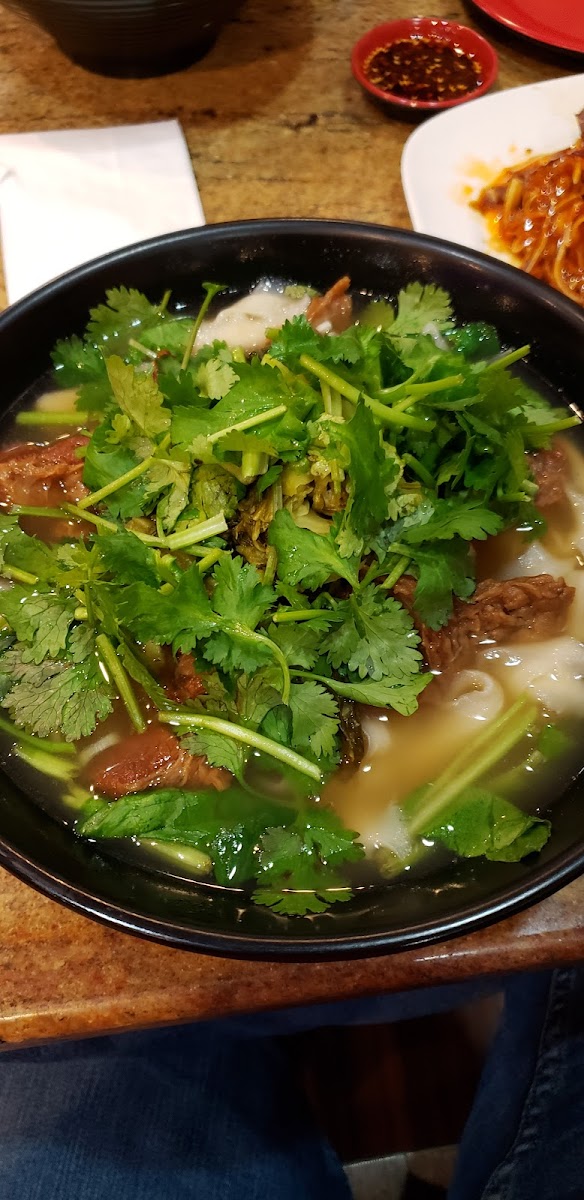
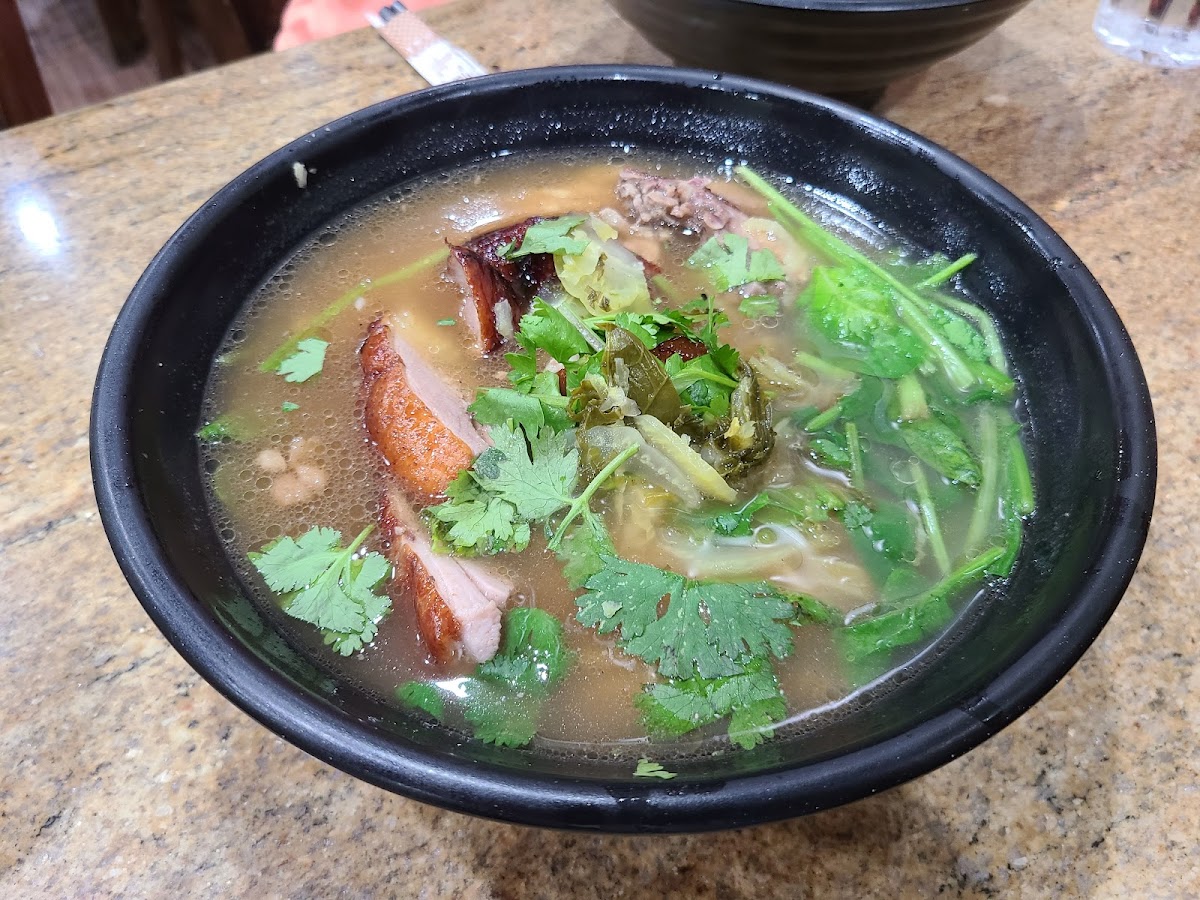
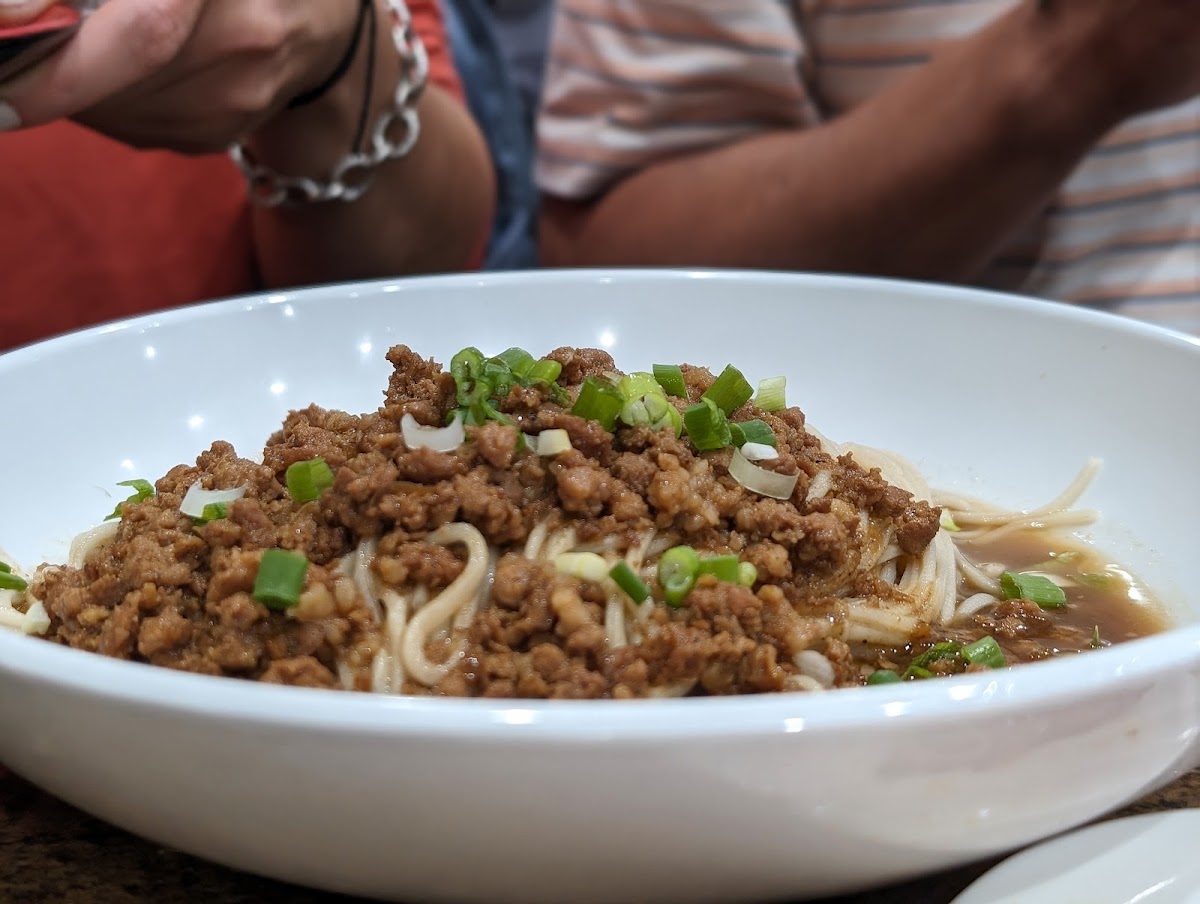
The menu leans heavily into those freshly pulled noodles, and it does so confidently. Bowls arrive steaming, layered with clear, aromatic broths that taste slow-built rather than rushed. According to food science research often cited by culinary schools, hand-drawn dough develops gluten differently than rolled dough, creating elasticity without toughness. You can feel that difference here, especially in the beef brisket noodle soup, where the noodles hold up even after soaking in broth. I once spoke with a local chef who trained in Shaanxi cuisine, and he explained that consistency in noodle thickness is a skill that takes years to master. Watching the staff at work, it’s clear that level of experience is present.
Ordering feels refreshingly straightforward. Regulars around me rattled off favorites without looking at the menu, which says a lot about repeat trust. Dumplings, another highlight, come with thin skins and well-balanced fillings, and they’re not drowned in sauce. Many reviews mention how the flavors stay clean and focused, which aligns with traditional regional cooking methods that prioritize ingredient quality over heavy seasoning. A 2023 report from the James Beard Foundation noted that diners increasingly value authenticity over fusion, and this place fits that trend naturally, without trying to chase it.
What stands out over multiple visits is consistency. I’ve eaten here during busy weekend rushes and slower weekday afternoons, and the bowls taste the same every time. From a professional standpoint, that’s harder than it looks. Maintaining dough hydration, resting time, and pulling technique requires discipline, especially in a high-volume setting. The kitchen’s open layout also builds trust; you see exactly how your food is made, which matters more now than ever. Studies from the National Restaurant Association show that transparency in food preparation increases diner confidence, particularly in urban markets like Philadelphia.
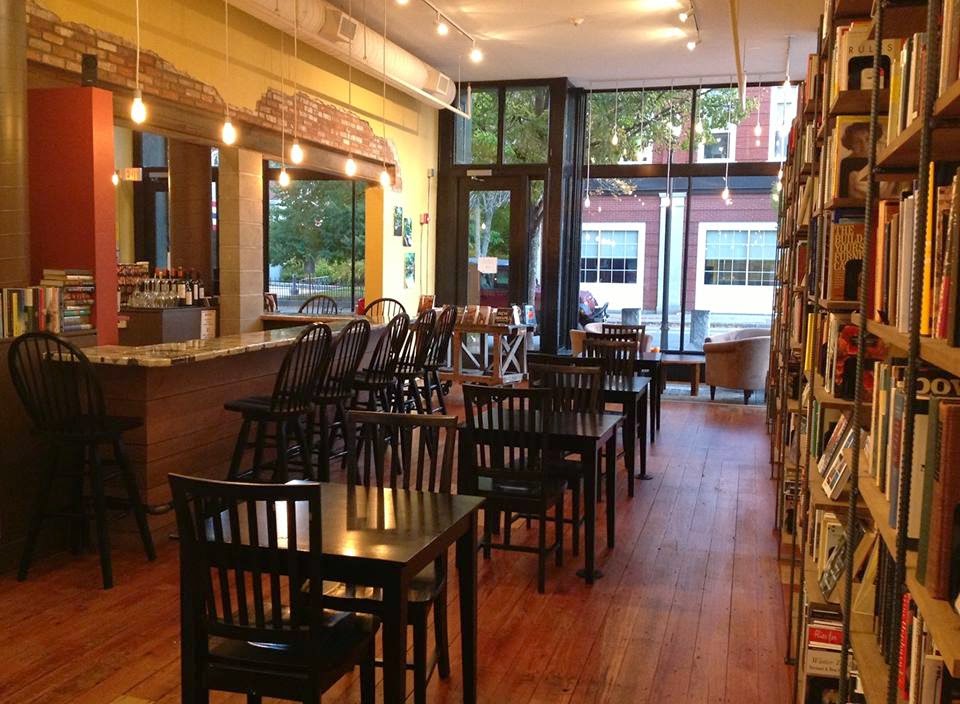
The dining room itself is simple, almost spartan, but that keeps attention where it belongs. Conversations hum, spoons clink, and there’s a shared understanding that people are here to eat well, not linger over decor. One regular at my table told me he drives in from the suburbs because the noodles remind him of meals he had growing up, calling them comfort food done right. That kind of loyalty doesn’t come from hype; it comes from meeting expectations again and again.
There are limitations worth noting. Seating can be tight, and during peak hours you might wait. The menu also doesn’t cater much to diners looking for trendy reinterpretations or extensive customization. Still, those gaps feel intentional rather than careless, reflecting a focus on doing a few things extremely well. For anyone exploring Chinatown locations or scanning reviews for a reliable noodle spot, this restaurant offers a grounded, skill-driven experience that earns its reputation bowl by bowl.